
Why Open Spaces and Green Areas Increase Property Value
Why Open Spaces and Green Areas Increase Property Value More Than You Think
Open spaces and green areas have become one of the most important factors influencing modern real estate decisions. Homebuyers and investors are increasingly looking for residential communities that offer landscaped gardens, parks, walking trails, and eco-friendly surroundings alongside quality construction and connectivity. These thoughtfully planned features not only improve everyday living but also contribute to stronger property appreciation, higher rental demand, and long-term investment value. This comprehensive guide explains how green spaces impact property prices, why they are becoming essential in modern developments, and when they make the biggest difference for buyers and investors. Whether you're searching for your dream home or evaluating a real estate investment, understanding the role of open spaces can help you make a smarter decision.
When people think about purchasing a property, location, connectivity, and price often dominate the conversation. However, another factor has become equally influential in today's housing market open spaces and thoughtfully designed green areas.
Modern buyers are no longer searching for just four walls. They are investing in healthier lifestyles, cleaner surroundings, and communities where every generation can enjoy outdoor living. The best real estate developers understand that parks, landscaped gardens, walking tracks, and recreational zones are no longer optional amenities they are essential features that make residential communities more desirable for years to come.
This shift isn't simply about aesthetics. Green infrastructure contributes to stronger demand, improved resident satisfaction, healthier living conditions, and greater long-term appreciation. Whether someone is purchasing a first home or making an investment, projects with generous open spaces consistently attract more attention than densely packed developments.
Understanding What Open Spaces Really Mean
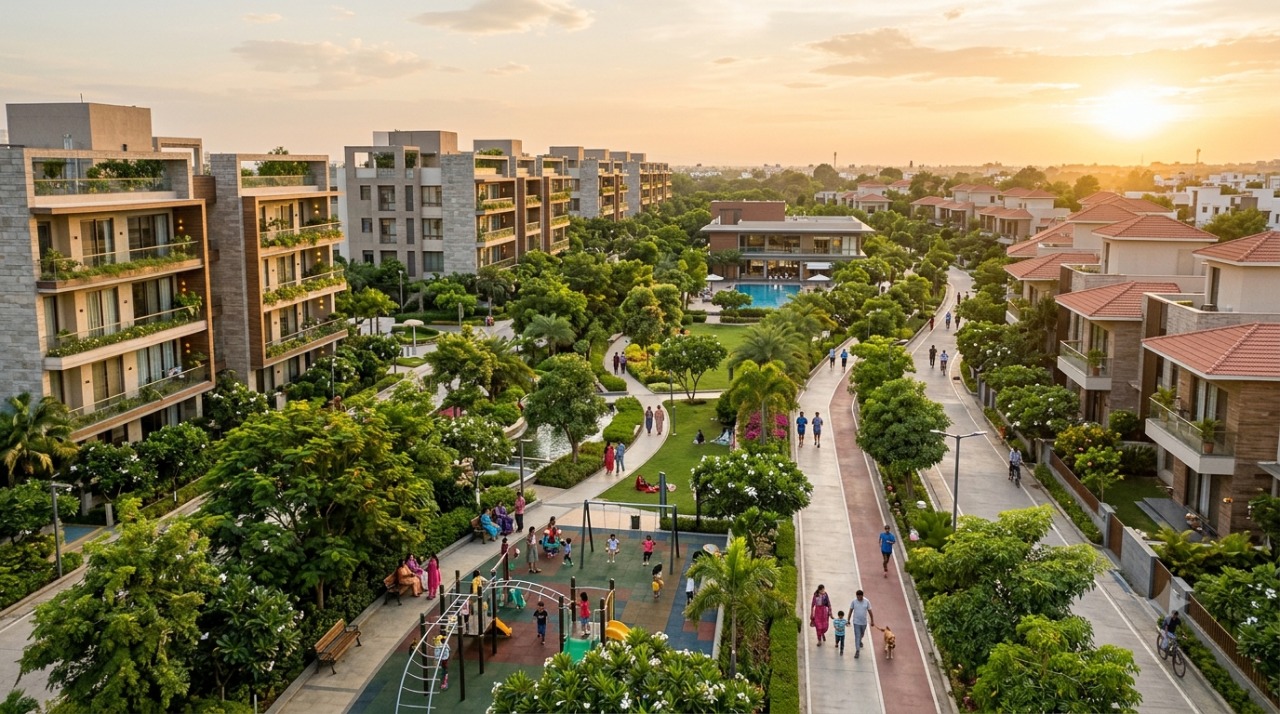
Open spaces extend far beyond a simple garden near the entrance. A thoughtfully planned residential development integrates nature into everyday living. Today, many real estate development constructor companies focus on balancing built infrastructure with landscaped environments to create communities that offer both comfort and long-term value.
Examples include:
- Central parks
- Walking and jogging tracks
- Cycling pathways
- Tree-lined avenues
- Meditation gardens
- Children's play areas
- Sports courts
- Water features
- Community gathering spaces
- Outdoor fitness zones
These features create an environment where residents experience comfort beyond their homes.
Today's homebuyers increasingly compare projects based on lifestyle amenities rather than apartment size alone.
Why Modern Homebuyers Prioritize Green Living
The expectations of buyers have evolved significantly over the past decade.
Instead of asking, "How big is the apartment?" many buyers now ask, "What does life look like outside my apartment?"
Green surroundings offer experiences that cannot be recreated indoors. Residents appreciate:
- Cleaner air
- Reduced traffic noise
- Better privacy
- Safe outdoor spaces
- Recreation without leaving the community
- Natural beauty throughout the year
Families with children particularly value secure outdoor environments where kids can play freely. Similarly, working professionals appreciate peaceful surroundings after long office hours. Retired homeowners often prioritize walking paths, gardens, and shaded seating areas for everyday relaxation.
Many of the best real estate firms now highlight green infrastructure as one of the key features in their residential developments because buyers increasingly associate open spaces with a better quality of life.
How Green Areas Positively Influence Property Value
Open spaces contribute to value in multiple ways rather than through a single factor.
Increased Buyer Demand
Projects offering attractive landscapes typically receive more inquiries because buyers immediately recognize the lifestyle advantages. Greater demand naturally supports stronger pricing.
Better Visual Appeal
The first impression of a residential project significantly influences purchase decisions. Beautiful landscaping creates an emotional connection that encourages buyers to imagine themselves living there. This often leads to faster sales.
Improved Long-Term Appreciation
Properties surrounded by parks and maintained green infrastructure often experience more consistent appreciation over time. As urban land becomes denser, developments offering generous outdoor spaces become increasingly desirable.
Stronger Rental Demand
Many tenants actively seek residential communities with:
- Parks
- Fitness zones
- Children's play areas
- Walking tracks
This makes such homes attractive for long-term rental investments.
Premium Community Image
Projects with extensive greenery often establish a stronger reputation in the market. A positive community image contributes to sustained demand among future buyers, making every estate developer focus on creating communities that combine modern living with natural surroundings.
Health Benefits That Add Everyday Value
Homebuyers increasingly consider health while choosing where to live. Green surroundings contribute to:
- Better Air Quality: Trees naturally improve air quality while helping reduce dust.
- Reduced Stress: Natural environments encourage relaxation and reduce everyday stress.
- Physical Activity: Residents are more likely to walk regularly, exercise outdoors, cycle, and spend time with family.
- Better Mental Wellbeing: Access to greenery supports emotional wellness and improves overall quality of life.
These benefits make green communities attractive across all age groups.
Why Children and Families Prefer Green Communities
Parents consistently prioritize outdoor environments for their children. Safe community spaces encourage:
- Outdoor play
- Social interaction
- Physical fitness
- Better childhood development
Instead of spending excessive time indoors, children have opportunities to explore nature while remaining within secure residential boundaries. This contributes significantly to buyer preference.
Environmental Sustainability Matters More Than Ever
Environmental awareness has become an important purchasing consideration. Communities with green planning often experience:
- Better rainwater management
- Reduced urban heat
- Improved biodiversity
- Lower pollution
- Enhanced environmental resilience
These sustainable features benefit residents while supporting responsible urban development.
When Do Green Spaces Make the Biggest Difference?
Green infrastructure becomes particularly valuable in rapidly growing urban areas where available land continues to shrink.
As cities become more crowded, developments that preserve generous open spaces become increasingly desirable. This makes them attractive for:
- First-time buyers
- Growing families
- Investors
- Retirees
- Professionals
Demand remains strong because quality outdoor living becomes increasingly difficult to find.
What Developers Should Focus On
Developers who want to build communities that remain desirable for years should prioritize thoughtful planning rather than maximizing construction density.
Successful residential planning includes:
- Wide landscaped avenues
- Functional parks
- Native trees
- Community gathering spaces
- Recreational facilities
- Safe pedestrian pathways
- Sustainable water management
- Long-term landscape maintenance
Whether you're choosing among the best real estate firms or evaluating the work of the best real estate developers, it's important to look beyond the buildings themselves. A well-planned project by an experienced real estate development constructor or estate developer that integrates nature into everyday living is far more likely to deliver lasting value, stronger community engagement, and better returns over time.
Frequently Asked Questions
1. Why do green spaces make residential properties more valuable?
Green spaces improve lifestyle quality, create attractive surroundings, encourage healthier living, and increase buyer demand. These factors often contribute to stronger long-term appreciation compared to projects with limited outdoor areas.
2. How do parks and landscaped gardens influence homebuyers?
Parks and landscaped environments create a positive first impression while providing spaces for relaxation, recreation, and community interaction. Many buyers view these features as essential for long-term family living.
3. When should buyers prioritize open spaces while choosing a property?
Buyers should evaluate open spaces during the early stages of property selection. Comparing projects based on landscaping, recreational facilities, and community planning can help identify developments that offer better long-term value.
4. Why are families especially attracted to green residential communities?
Families appreciate secure outdoor areas where children can play, exercise, and socialize. Walking paths, parks, and gardens also encourage healthier lifestyles for every age group, making these communities more appealing.
5. How can developers create more valuable residential communities?
Developers can enhance long-term project appeal by incorporating landscaped parks, walking trails, recreational facilities, sustainable planning, tree-lined roads, and well-maintained open spaces that support both environmental and lifestyle goals.